It seems counterintuitive. Nigeria sits close to the equator, the sun is intense almost year-round, and yet studies consistently show that Vitamin D deficiency affects a significant portion of the Nigerian population — including people who spend time outdoors.
The reason is melanin. Darker skin tones require significantly more sun exposure to synthesise the same amount of Vitamin D as lighter skin. A person with deep melanin may need four to ten times the sun exposure to produce equivalent levels. Combined with the fact that many urban Nigerians spend most of the day indoors in offices, cars, and air-conditioned spaces, the numbers add up quickly.
What deficiency actually looks like
Most people with low Vitamin D have no obvious symptoms, which is why it goes undetected for years. When symptoms do appear, they're easy to misattribute — fatigue, muscle weakness, low mood, frequent illness, and bone aches are all associated with deficiency. In children, severe deficiency causes rickets, which remains a clinical concern in parts of Nigeria.
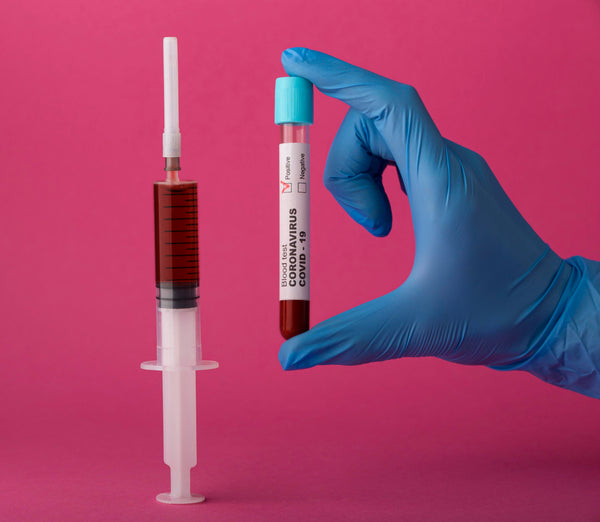
A simple blood test can confirm your levels. If you're deficient, a daily supplement of 1000–2000 IU is typically safe and effective without needing a prescription. Ask at any Healthrite branch for guidance on the right dose for you.